
As your trusted local Kissimmee dentist, the team at Journey Dental has spent years helping patients achieve and maintain optimal oral health. We’ve seen how proper oral hygiene can transform not just smiles, but overall health and quality of life. Through our experience treating everything from routine cleanings to complex periodontal treatment, we’ve developed practical, proven strategies that work for real people with busy lives here in Kissimmee.
What sets our approach apart is our comprehensive understanding of how oral health connects to your overall well-being. From preventing gingivitis in its earliest stages to providing advanced periodontal maintenance for patients with gum disease, we’ve learned that the best treatment is always prevention. Our modern facility and in-house lab allow us to provide complete oral health care while educating our patients about the daily habits that make the biggest difference.
Let’s explore the essential oral hygiene tips that have helped thousands of our Kissimmee patients maintain healthy smiles, along with important information about recognizing and treating gum disease when prevention isn’t enough.
Understanding Your Oral Health Foundation
Before diving into specific tips, it’s crucial to understand what we’re working to achieve. Healthy mouths have several key characteristics: pink, firm gums that don’t bleed during brushing or flossing, teeth free from plaque buildup, fresh breath, and no pain or sensitivity during normal activities like eating and drinking.
Your mouth is home to hundreds of different bacteria, most of which are beneficial or harmless. However, when harmful bacteria accumulate due to poor oral hygiene, they form plaque—a sticky film that adheres to your teeth and gum line. If not removed regularly through proper dental cleaning techniques, this plaque hardens into tartar and can lead to gingivitis, the earliest stage of gum disease.
The Progressive Nature of Gum Disease
Understanding how gum disease develops helps explain why our oral hygiene recommendations are so important. Gingivitis begins when plaque irritates your gums, causing inflammation, redness, and bleeding. At this stage, the condition is completely reversible with proper care and professional gingivitis treatment.
However, if gingivitis isn’t addressed, it can progress to periodontitis, a more serious form of gum disease that affects the tissues and bone supporting your teeth. This is where periodontal treatment becomes necessary, and while we can control the disease, the damage to supporting structures may be permanent. This progression underscores why prevention and early intervention are so critical.
Daily Oral Hygiene: The Cornerstone of Prevention
The most effective oral hygiene routine starts with consistency in your daily habits. As your local Kissimmee dentist, I cannot overstate the importance of brushing twice daily and flossing once daily. However, it’s not just about frequency—technique matters enormously in preventing the buildup that leads to gingivitis and more serious gum disease.
When brushing, use a soft-bristled toothbrush and fluoride toothpaste. Hard bristles can actually damage your gums and tooth enamel, creating more problems than they solve. Hold your brush at a 45-degree angle to your gums and use gentle, circular motions rather than aggressive scrubbing. This technique effectively removes plaque while massaging your gums to promote healthy circulation.
The Critical Importance of Gum Line Care
Many patients focus primarily on cleaning their tooth surfaces while neglecting the gum line—exactly where gingivitis typically begins. Pay special attention to the area where your teeth meet your gums, as this is where plaque most commonly accumulates. Gentle circular motions along the gum line help remove bacteria and stimulate healthy blood flow to your gum tissues.
Your dental hygienist can demonstrate the proper technique during your professional dental cleaning appointments. We often find that patients who think they’re brushing correctly can benefit from minor adjustments to their technique that make a significant difference in their gum health.
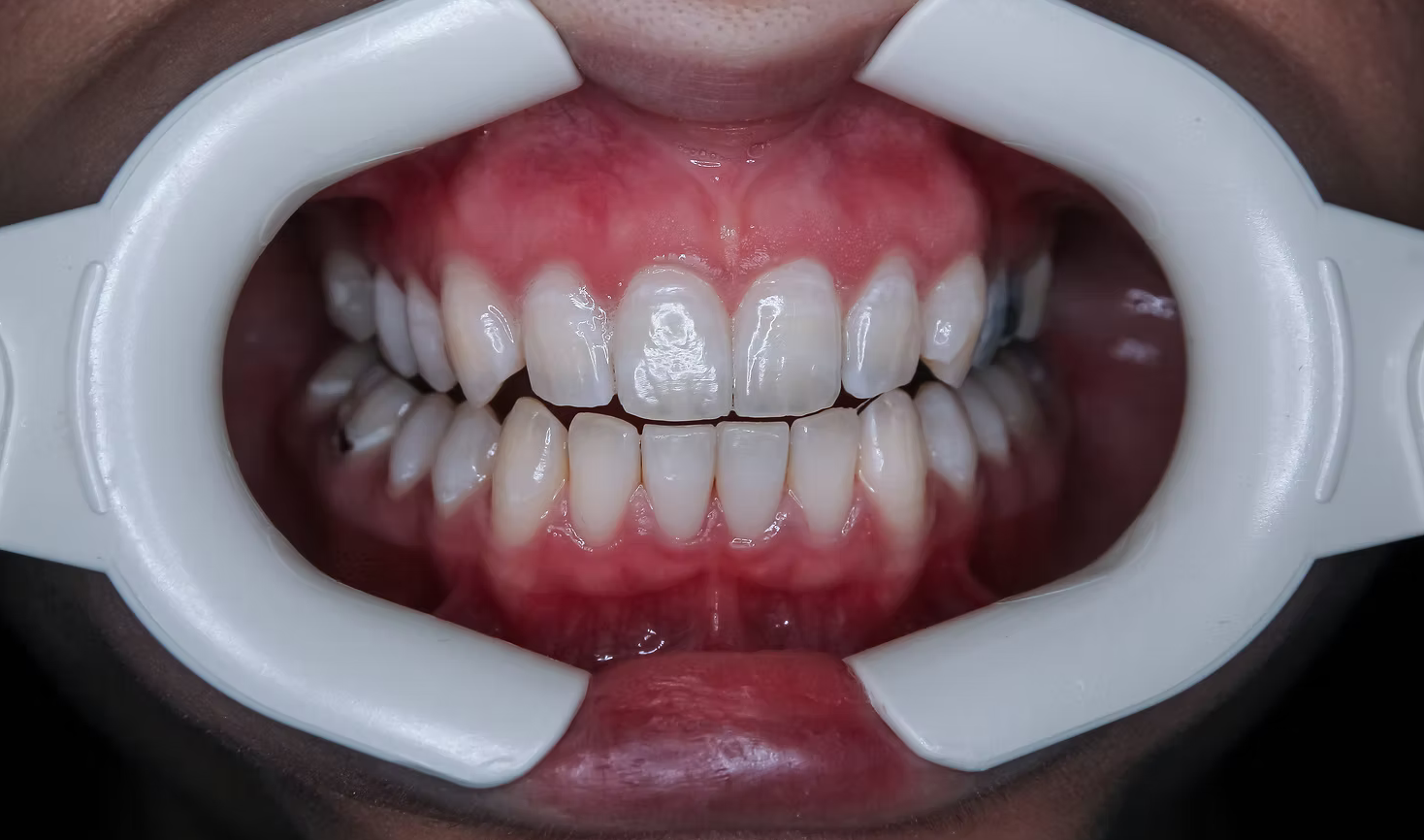
Advanced Flossing Strategies for Gum Health
While most people know they should floss daily, many don’t realize that proper flossing technique is particularly crucial for preventing gingivitis. Flossing removes plaque and food particles from between teeth and below the gum line—areas your toothbrush simply cannot reach effectively.
Use about 18 inches of floss, winding most around your middle fingers and leaving about two inches to work with. Gently guide the floss between your teeth using a rubbing motion, never snapping it down into your gums, which can cause injury and bleeding. Once you reach the gum line, curve the floss into a C-shape against one tooth and gently slide it into the space between your gum and tooth.
When Flossing Causes Bleeding
Many patients tell us they avoid flossing because it causes bleeding. However, bleeding during flossing is often a sign of gingivitis—exactly the condition that regular flossing helps prevent and treat. If your gums bleed when you floss, this indicates inflammation and the need for more consistent oral hygiene, not less.
With consistent daily flossing, bleeding should decrease within a week or two as your gum health improves. If bleeding persists beyond this timeframe, contact our office for an evaluation, as you may need professional gingivitis treatment to get your gum health back on track.
Professional Dental Cleaning: Your Defense Against Gum Disease
Even with excellent home care, professional dental cleaning appointments are essential for maintaining optimal gum health. Your dental hygienist has specialized tools and training to remove tartar buildup that cannot be eliminated through home care alone. During these appointments, we also provide early detection of gingivitis and other oral health issues.
At Journey Dental, our professional cleanings go beyond just removing plaque and tartar. We assess your gum health, measure pocket depths around your teeth, and provide personalized recommendations based on your individual risk factors. This comprehensive approach helps us catch problems early when they’re easiest to treat.
The Role of Professional Assessment
During your cleaning appointment, we’re not just removing buildup—we’re conducting a thorough assessment of your oral health. We look for early signs of gingivitis, check the stability of any existing crowns or bridges, and evaluate areas that may need extra attention in your home care routine.
This professional assessment is particularly important because gingivitis in its early stages may not cause noticeable symptoms. Many patients are surprised to learn they have gum inflammation because they haven’t experienced pain or obvious signs of problems.
Recognizing the Early Signs of Gingivitis
As your local Kissimmee dentist, I want to help you recognize the early warning signs of gingivitis so you can seek treatment promptly. The earliest signs include gums that bleed during brushing or flossing, gums that appear red or swollen instead of pink and firm, and persistent bad breath that doesn’t improve with regular oral hygiene.
You might also notice that your gums feel tender when you brush or that they seem to be pulling away from your teeth slightly. Some patients report a metallic taste in their mouth or notice that their bite feels different. These subtle changes are your body’s way of signaling that your gum health needs attention.
When to Seek Professional Gingivitis Treatment
While mild gingivitis often responds well to improved home care, you should schedule an appointment with our office if you notice persistent bleeding, swelling, or discomfort that doesn’t improve within two weeks of better oral hygiene. Early professional gingivitis treatment is much more comfortable and effective than waiting until the condition progresses.
We also recommend seeking prompt care if you notice any changes in how your teeth fit together when you bite, loose teeth, or gums that are pulling away from your teeth. These signs may indicate that gingivitis has progressed to more serious gum disease requiring periodontal treatment.

Our Approach to Gingivitis Treatment
When patients come to Journey Dental with gingivitis, our treatment approach focuses on removing the bacterial buildup causing inflammation while teaching improved home care techniques. Gingivitis treatment typically begins with a thorough professional cleaning to remove all plaque and tartar above and below the gum line.
Following the cleaning, we provide detailed instruction on proper brushing and flossing techniques, often demonstrating with models or in your own mouth to ensure you understand the correct approach. We may also recommend specific oral care products or tools that can help you maintain better gum health at home.
Monitoring Your Response to Treatment
Gingivitis treatment isn’t complete after a single appointment. We typically schedule follow-up visits to monitor your response to treatment and ensure that your home care improvements are effectively controlling the inflammation. Most patients see significant improvement in their gum health within 2-4 weeks of beginning treatment.
During these follow-up appointments, we assess your gum health, review your home care technique, and make any necessary adjustments to your oral hygiene routine. This ongoing support helps ensure that your gingivitis doesn’t return and that you maintain healthy gums long-term.
Understanding Periodontal Treatment
When gingivitis progresses to periodontitis, more advanced periodontal treatment becomes necessary. Unlike gingivitis, which affects only the gums, periodontitis involves the deeper tissues and bone that support your teeth. This condition requires more intensive treatment and ongoing periodontal maintenance to control.
Periodontal treatment often begins with scaling and root planing, sometimes called “deep cleaning.” This procedure involves removing plaque and tartar from below the gum line and smoothing the root surfaces to help your gums reattach to your teeth. Depending on the severity of your condition, this treatment may be completed in one visit or divided into sections over multiple appointments.
Advanced Periodontal Treatment Options
For more severe cases of gum disease, we may recommend additional periodontal treatment options. These might include localized antibiotic therapy, that is placed by your hygienist in the gum tissue to control bacterial infection.
to control bacterial infection, specialized mouth rinses, or referral to a periodontal specialist for surgical treatment. Our goal is always to use the most conservative treatment that will effectively control your gum disease.
This integrated approach means better communication between your care providers and more convenient treatment for you.
The Importance of Periodontal Maintenance
Once you’ve received periodontal treatment, ongoing periodontal maintenance becomes crucial for controlling your gum disease and preventing further damage. Periodontal maintenance involves more frequent professional cleanings—typically every 3-4 months instead of the standard 6-month intervals for healthy patients.
During periodontal maintenance appointments, your dental hygienist will carefully clean below the gum line, monitor your gum health, and assess your home care effectiveness. These appointments are essential because gum disease is a chronic condition that requires ongoing management to prevent progression.
Customizing Your Maintenance Schedule
Not all patients with gum disease need the same periodontal maintenance schedule. Factors like the severity of your initial condition, your response to treatment, your home care consistency, and other risk factors all influence how frequently you need professional care. We work with each patient to develop a personalized maintenance schedule that effectively controls their gum disease.
Some patients may need periodontal maintenance every three months, while others might be able to extend to four-month intervals once their condition is well-controlled. We continuously monitor your progress and adjust your schedule as needed to maintain optimal gum health.
Special Considerations for Dental Restorations
Patients with crowns, bridges, or dental implants need special attention during their oral hygiene routine and professional care. While these restorations don’t decay like natural teeth, the surrounding gum tissues are still susceptible to gingivitis and gum disease. Though the restorations don’t decay the tooth structure underneath the restoration can decay. We strongly advise you to have your scheduled check ups.
Crowns and bridges can create areas where plaque accumulates more easily, making meticulous home care even more important. Special flossing techniques or tools may be needed to clean effectively around these restorations. During your professional dental cleaning appointments, we pay particular attention to these areas.
Implant Care and Gum Health
Dental implants require careful attention to prevent peri-implant disease, a condition similar to gum disease that affects the tissues around implants. While implants themselves don’t develop cavities, poor oral hygiene can lead to inflammation and even bone loss around the implant.
Patients with implants need excellent home care and regular professional maintenance to ensure long-term success. We provide specific instructions for caring for your implants and monitor their health during every visit to prevent complications.
Risk Factors That Affect Your Oral Health
Several factors can increase your risk of developing gingivitis and gum disease, making excellent oral hygiene even more important. Diabetes, smoking, certain medications, hormonal changes, and genetic factors all influence your susceptibility to gum problems.
Patients with diabetes need to be particularly vigilant about their oral health, as diabetes increases the risk of gum disease, and gum disease can make diabetes harder to control. If you have diabetes, we may recommend more frequent professional cleanings and closer monitoring of your gum health.
Hormonal Influences on Gum Health
Women may notice changes in their gum health during pregnancy, menstruation, or menopause due to hormonal fluctuations. These changes can make gums more sensitive and prone to inflammation, requiring extra attention to oral hygiene during these times.
Pregnant patients, in particular, need excellent oral hygiene to prevent pregnancy gingivitis, which can affect both maternal and fetal health. We provide specialized guidance for pregnant patients to help them maintain optimal oral health throughout their pregnancy.
Lifestyle Factors That Impact Oral Health
Your daily habits and lifestyle choices significantly impact your oral health and risk of developing gingivitis. Smoking is one of the most significant risk factors for gum disease, as it reduces blood flow to the gums and impairs your body’s ability to fight infection.
Diet also plays a crucial role in oral health. Frequent consumption of sugary or acidic foods and beverages feeds harmful bacteria and can contribute to both tooth decay and gum disease. Staying hydrated with water helps wash away food particles and bacteria, supporting your oral hygiene efforts.
Stress and Oral Health
Many patients don’t realize that stress can significantly impact their oral health. Stress can lead to teeth grinding, poor dietary choices, neglect of oral hygiene routines, and decreased immune function—all of which increase the risk of gingivitis and other oral health problems.
If you’re experiencing high stress levels, pay extra attention to your oral hygiene routine and consider discussing stress management strategies during your appointments. We can also provide night guards if stress-related teeth grinding is affecting your oral health.
Technology That Enhances Your Oral Health
At Journey Dental, we utilize advanced technology to improve both your professional care and your home oral hygiene effectiveness. Digital x-rays allow us to detect problems early, while intraoral cameras help us show you exactly what we’re seeing in your mouth, making it easier to understand why certain areas need extra attention
We also stay current with the latest developments in oral care products and tools that can enhance your home care routine. From electric toothbrushes with specialized modes for gum care to water flossers that can improve cleaning around crowns and bridges, we can recommend tools that make maintaining excellent oral hygiene easier and more effective.
Personalized Technology Recommendations
Not every oral care tool is right for every patient. During your appointments, we assess your specific needs, dexterity, and challenges to recommend tools that will actually improve your oral hygiene rather than just adding complexity to your routine.
For patients with arthritis or limited mobility, we might recommend electric toothbrushes or specialized grips. For those with bridges or crowns, water flossers or interdental brushes might be more effective than traditional floss. Our goal is to make excellent oral hygiene as achievable as possible for every patient.
Oral Health Education for the Whole Family
Good oral hygiene habits should start early and involve the entire family. Children who learn proper oral hygiene techniques early are more likely to maintain healthy habits throughout their lives, reducing their risk of developing gingivitis and other oral health problems as adults.
We love working with families and provide age-appropriate oral health education for children of all ages. From teaching toddlers how to brush their teeth to helping teenagers understand the connection between oral health and overall health, we’re committed to supporting good oral hygiene habits for the whole family.
Creating Positive Oral Health Habits
Making oral hygiene enjoyable rather than a chore helps ensure long-term compliance, especially for children. We recommend letting children choose their own toothbrush colors, using flavored toothpaste they enjoy, and creating positive associations with oral care through praise and encouragement.
For adults, finding ways to make oral hygiene convenient and pleasant increases the likelihood of maintaining consistent habits. This might mean keeping floss in multiple locations, using a toothbrush with a timer, or finding an oral rinse with a flavor you enjoy.
Emergency Oral Health Situations
Sometimes, despite excellent oral hygiene, emergency situations arise that require prompt attention from your Kissimmee dentist. Severe tooth pain, facial swelling, bleeding that won’t stop, or trauma to your teeth or mouth all warrant immediate professional care.
If you experience any of these symptoms, contact our office immediately. We provide guidance for managing dental emergencies and can often see urgent cases the same day. Early intervention in emergency situations often leads to better outcomes and can prevent minor problems from becoming major ones.
When Oral Health Changes Rapidly
Sudden changes in your oral health, such as rapid onset of gum bleeding, persistent bad breath that develops quickly, or teeth that suddenly feel loose, should be evaluated promptly. These changes can indicate serious underlying problems that require immediate gingivitis treatment or periodontal treatment.
Don’t wait to see if these symptoms resolve on their own. Early intervention is always more comfortable and effective than waiting until problems become severe.